2026 Best Lockout Padlock Types for Global Buyers
Choosing the right Lockout Padlock is a practical safety decision for global industrial buyers. It affects identification, durability, accountability, and daily lockout discipline. In 2026, buyers must look beyond color and price. Materials, key control, corrosion resistance, body size, and operating temperature all deserve attention.
Safety author David L. Goetsch has often stated, “Safety is not expensive; accidents are.” This principle fits Lockout Padlock selection closely. A red nylon padlock may suit electrical panels and damp production areas. An aluminum model can reduce weight during large maintenance programs. Stainless steel offers stronger resistance near washdown zones, coastal air, and chemical exposure. However, no material works perfectly everywhere.
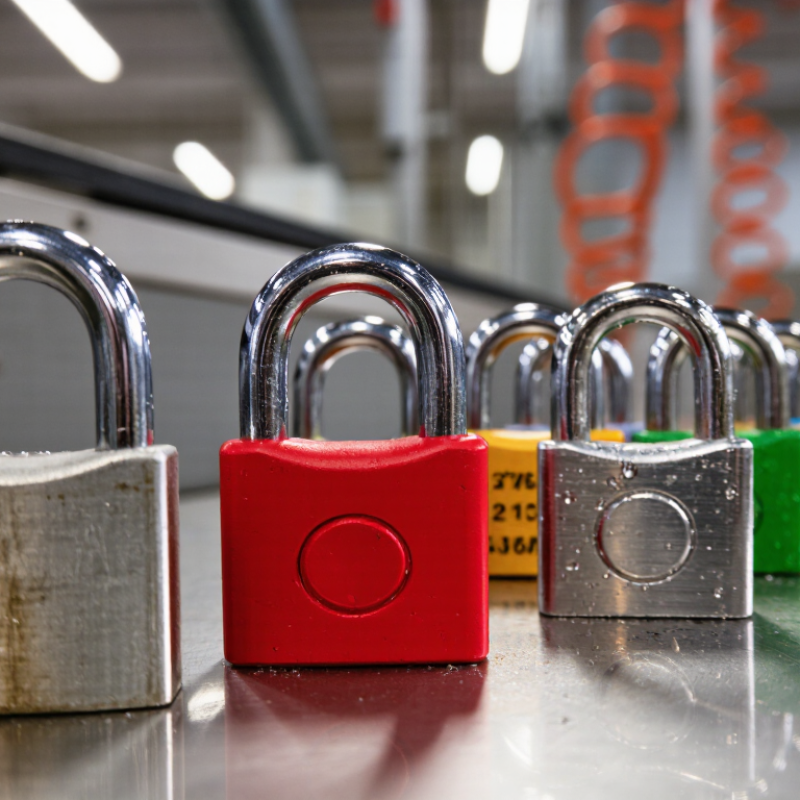
Keyed-different systems support individual control. Keyed-alike systems can simplify supervisor access across approved equipment groups. Both require documented ownership and controlled spare keys. A clear engraving can remain readable after months of dust, oil, and handling. A bright body helps workers identify energy-control devices beside crowded machinery.
Real workplace experience also reveals small weaknesses. A lock may survive rain but fail after repeated drops. A key may operate smoothly today, then resist after fine metal dust enters the cylinder. Buyers should test samples before placing large orders. They should also confirm shackle clearance, label adhesion, and compatibility with hasps and lockout stations.
This guide compares the best Lockout Padlock types for global buyers in 2026. It considers field conditions, purchasing consistency, worker visibility, and long-term maintenance. Some recommendations may need adjustment. That is honest. Site conditions rarely match a product brochure.
Lockout Padlock Basics and Their Role in Workplace Safety
A lockout padlock is a personal safety device used to isolate hazardous energy. It prevents equipment from starting during servicing, cleaning, or adjustment. Each authorized worker should control their own key. Shared keys weaken accountability. A durable body, corrosion-resistant shackle, and clear identification support reliable daily use. The lock should also fit the hasps and lockout points used at the facility.
In practice, safety depends on more than the padlock itself. A technician may attach a lock to an electrical disconnect before opening a machine panel. Another worker may use a group lockout hasp during planned maintenance. Tags should show the worker’s name, department, and contact details. The equipment must remain isolated until every personal lock is removed. Procedures should follow the site’s risk assessment and applicable local requirements.
Small details matter. Test the isolation before work begins. Inspect shackles for bending, rust, or rough movement. Replace damaged locks promptly. A bright color helps visibility, but it does not prove protection. No lockout system is perfect. Misidentified energy sources, rushed handovers, and misplaced keys still create risks. That weakness deserves regular review. Global buyers should evaluate temperature range, moisture resistance, key control, and training support. Product data alone cannot replace competent instruction and disciplined procedures. Safety teams should record inspections and revise practices after near misses.
Key Types of Lockout Padlocks for Different Industrial Applications
2026 Best Lockout Padlock Types for Global Buyers
Key Types of Lockout Padlocks for Different Industrial Applications
Lockout padlocks should match the hazard, work area, and maintenance routine. A single model rarely suits every industrial application. For electrical panels, non-conductive nylon padlocks reduce the risk of accidental energy transfer. Their lightweight bodies also reduce fatigue during repeated inspections. However, nylon can crack under severe impact or extreme temperatures.
Stainless steel padlocks perform better in wet plants, food-processing areas, and outdoor facilities. They resist corrosion from moisture, cleaning chemicals, and changing weather. In dusty workshops, a covered shackle helps limit contamination around the locking point. Weather resistance still needs regular checking. Small gaps can collect grit and prevent smooth operation.
Keyed-different padlocks support individual control, because one worker holds one unique key. Keyed-alike sets help supervisors manage several points during planned maintenance. Group lockout stations often use compact padlocks with clear colors and durable identification labels. Cable-style lockout padlocks work well when valves or several energy points sit close together. Yet cables may not fit every hasp or narrow isolation point.
Experienced safety teams inspect the shackle, key cylinder, label, and body before each use. A missing label can create confusion during a noisy shutdown. Color coding helps, but it should not replace written identification. One common mistake is choosing a lock by price alone. Another is ignoring gloved handling. A padlock that feels secure in an office may become difficult beside oil, dust, or cold machinery. Procurement teams should test samples at the actual worksite before ordering globally.
2026 Best Lockout Padlock Types for Global Buyers
Key Types of Lockout Padlocks for Different Industrial Applications
The chart compares typical shackle or cable diameters used in industrial lockout devices. Nylon and aluminum safety padlocks are commonly selected for electrical isolation and general lockout procedures, while steel and stainless-steel models are preferred where higher mechanical strength or corrosion resistance is required. Cable lockouts are suitable for valves, disconnects, and irregularly shaped isolation points. Actual dimensions and operating limits vary by product specification.
Material, Size, and Weather Resistance Selection Criteria
2026 Best Lockout Padlock Types for Global Buyers
Material, Size, and Weather Resistance Selection Criteria
Material choice affects safety, service life, and maintenance costs. Aluminum padlocks resist corrosion and remain easy to carry. They suit indoor panels and moderate outdoor exposure. Nylon bodies provide electrical insulation and perform well around moisture. Steel offers stronger resistance to impact, but untreated steel can rust quickly. Stainless steel handles harsh coastal air better, though it usually costs more. Measure twice.
Size must match the lockout point, not personal preference. Check the shackle diameter, clearance, and available hole depth before ordering. A shackle that is too thick may not enter the hasp. One that is too long can catch on nearby equipment. Compact locks help inside crowded control cabinets. Larger bodies are easier to read while wearing gloves. Color coding improves identification, but labels still need durable printing.
Weather resistance requires more than a water-resistant label. Review corrosion-test results, temperature ranges, and UV exposure data. In outdoor trials, frozen moisture can stop a poorly fitted shackle from moving. Drainage around the keyway also matters after heavy rain. Inspect samples through one wet season when possible. I have seen buyers overvalue bright colors and undervalue hinge protection. That choice looked fine at delivery, but faded markings caused confusion later. Requirements differ by region, so confirm local workplace guidance and maintain inspection records.
Safety Standards and Compliance Requirements for Global Buyers
For global buyers, a lockout padlock is more than a colored security lock. It supports energy isolation during maintenance, cleaning, and equipment adjustment. Requirements change by jurisdiction. In the United States, OSHA 29 CFR 1910.147 requires documented lockout procedures, employee training, and periodic inspections. ISO 45001 supports a broader occupational safety management system, but it does not certify one specific padlock design. ANSI/ASSP Z244.1 and the UK HSE’s HSG253 offer further guidance on hazardous-energy control.
Tips: Request material specifications, cycle-test results, and corrosion-test evidence. Check whether the shackle suits the isolation point. Confirm key control, label durability, and temperature resistance. Do not treat color alone as compliance. A yellow lock may be visible, but visibility does not prove safe design. Ask for traceable test records, not only a sales statement.
The International Labour Organization estimated 2.93 million work-related deaths and 395 million non-fatal injuries annually in its 2023 safety report. OSHA’s FY2024 Top 10 data recorded 1,968 lockout/tagout citations. These figures show why procurement must examine the entire control system. In field audits, buyers often discover identical keys shared across several workers. That defeats personal accountability. A better choice uses individually assigned keys, durable identification, and a written inspection routine. The uncomfortable part is simple: even a technically suitable padlock can fail when procedures are unclear or rarely practiced.
 Skip to content