Skip to contentFreeze Dried Fruits Powder is not simply crushed dried fruit. It begins with ripe fruit, careful cleaning, and rapid freezing. The frozen pieces then enter a vacuum chamber, where ice changes directly into vapor through sublimation. This process protects much of the fruit’s color, aroma, and delicate structure.
The result is a light powder with intense flavor. A small spoonful can brighten yogurt, smoothies, bakery fillings, or infant and sports nutrition formulas. Moisture control remains critical. Even brief exposure to humid air can create clumps and weaken shelf stability. Packaging matters more than many consumers realize.
Industry demand is expanding. Grand View Research reported that the global freeze-dried food market was valued at approximately USD 7.24 billion in 2023, with strong projected growth through 2030. IMARC Group also identifies rising demand for convenient, clean-label fruit ingredients. However, market estimates vary by product definition and region. That limitation deserves attention.
Professor Ratti stated, “Freeze-drying is the most expensive process for manufacturing a dehydrated food product.” His observation explains the higher price of Freeze Dried Fruits Powder. The method requires specialized equipment, long processing cycles, and careful quality checks. It is gentle, but not effortless.
This guide examines how the powder is made, what changes during processing, and how buyers can judge quality. Not every bright powder is equally nutritious. Source fruit, drying conditions, particle size, and storage history all matter. The details are easy to overlook. They should not be.
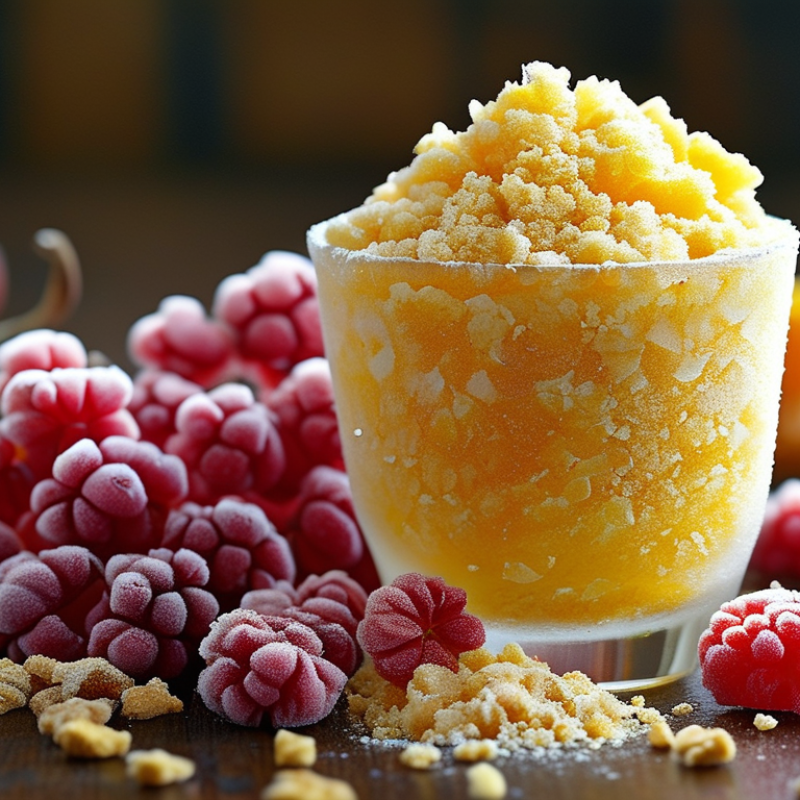
Freeze-dried fruit powder is fruit with most of its water removed under low temperature and vacuum. The process usually includes freezing, primary drying, and secondary drying. Ice changes directly into vapor, rather than melting first. This helps preserve the fruit’s color, aroma, and porous structure.
It is not simply crushed dried fruit. A strawberry may enter the chamber as a frozen slice and leave as a light, brittle piece. A mill then turns it into powder. USDA FoodData Central reports that raw strawberries contain about 91% water per 100 grams. Removing that water concentrates the remaining solids, including natural sugars, acids, pigments, and fiber. The result can dissolve quickly in yogurt, smoothies, or water.
The powder’s quality still depends on the fruit, drying conditions, and storage. Heat, oxygen, and humidity can dull its color or create clumps. Packaging matters. Grand View Research valued the global freeze-dried food market at approximately USD 2.97 billion in 2023, with projected growth through 2030. That figure covers more than fruit powder, so it should not be treated as a precise fruit-powder estimate. Some products also contain carriers or added sugar. Read the ingredient list carefully. “Natural” does not explain everything. Nutrient levels can vary between batches, and freeze-drying does not make fruit nutritionally identical to fresh fruit.
Freeze-dried fruit powder begins with carefully prepared fresh fruit, not simply fruit placed in a machine. Quality depends on what happens before freezing. Processors inspect ripe fruit for bruises, mold, insects, and uneven color. Damaged pieces are removed. This step seems ordinary, yet it protects flavor and reduces contamination risks. Workers wash the fruit with potable water and clean equipment before cutting.
The fruit is then peeled, cored, or trimmed when necessary. It is sliced into pieces with a similar thickness. Even pieces freeze and dry more consistently. A perfect slice is not always realistic. Fruit varies in size, firmness, and moisture. Experienced processors adjust cutting methods instead of forcing every fruit into one shape. Some fruits may also need brief treatment to slow browning, depending on their natural chemistry and the intended product.
After preparation, the slices are frozen rapidly at very low temperatures. Inside a freeze dryer, reduced pressure allows ice to change directly into vapor. This process removes moisture while preserving much of the fruit’s structure, color, and aroma. The dried pieces are checked for remaining moisture before grinding. They are milled into a fine powder under controlled conditions and packed in moisture-resistant containers. Small handling mistakes can still affect texture. Powders may clump when exposed to humid air, even after careful processing.
Freeze-dried fruit powder begins with ripe, clean fruit. Quality matters here because drying cannot repair bruising, sourness, or weak flavor. The fruit is washed, inspected, and cut into even pieces. Uniform pieces freeze more consistently. They are then frozen rapidly, often below -30°C, until the water becomes solid ice.
The frozen fruit enters a vacuum chamber. Pressure drops, and gentle heat turns ice directly into vapor. This change is called sublimation. There is no liquid stage. A cold condenser captures the vapor, while the fruit keeps much of its color, aroma, and porous structure. The first drying stage removes most moisture. A secondary drying stage uses slightly more heat to remove tightly held water. It must be controlled carefully. Too much heat can dull the flavor.
The dried pieces feel light and crisp. They are milled into powder and tested for moisture, texture, color, and microbial safety before packaging. Not every batch behaves perfectly. Thick pieces may retain damp centers, while thin pieces can lose aroma. I have found that small differences in ripeness change the final powder more than expected. The finished powder needs protection from humidity, light, and oxygen. Otherwise, it can clump quickly and taste flat. A well-sealed, moisture-resistant container helps preserve its bright fruit character.
What Is Freeze Dried Fruit Powder and How Is It Made?
Freeze-dried fruit powder begins with a simple problem: fresh fruit contains a great deal of water. USDA FoodData Central records about 90.95 grams of water per 100 grams of raw strawberries. Bananas contain about 74.91 grams. The fruit is washed, inspected, sliced, and rapidly frozen, often below -30°C. Under a deep vacuum, ice changes directly into vapor. This process is called sublimation. It removes moisture without passing through a liquid stage.
The dried pieces remain light, porous, and fragile. They are milled into powder with controlled pressure, then passed through a sieve for a more even particle size. A 2022 review in Foods reported that freeze-drying generally protects color, aroma, and heat-sensitive nutrients better than conventional hot-air drying. Still, retention is not perfect. Oxygen, light, and poor storage can gradually damage vitamin C and natural pigments. Powder can also absorb moisture within minutes in a humid room.
Texture matters. A fine powder dissolves more easily in yogurt, beverages, and bakery mixtures, while larger particles create a noticeable fruit bite. Processing teams often monitor water activity, a key stability indicator. Many dried powders target a water activity below 0.30, although the suitable level depends on the fruit and packaging. This detail is easy to overlook. It should not be. Residual moisture can cause clumping, dull color, and shortened shelf life. (USDA FoodData Central; Foods, 2022)
| Production Stage | What Happens | Typical Conditions or Data | Effect on the Final Powder |
|---|---|---|---|
| 1. Fruit Selection | Ripe, sound fruit is selected and inspected for quality, maturity, and cleanliness. | Fruit quality, soluble solids, acidity, and natural color are commonly assessed before processing. | Determines the powder’s flavor, color, aroma, and nutritional starting point. |
| 2. Washing and Preparation | The fruit is washed, sorted, peeled or deseeded when necessary, and cut into pieces or made into a purée. | Preparation varies by fruit; smaller and more uniform pieces generally freeze and dry more consistently. | Creates a more even structure and helps produce consistent drying and grinding results. |
| 3. Freezing | Prepared fruit is frozen before drying. Water inside the fruit forms ice crystals. | Commercial freeze-drying commonly freezes product to approximately −30°C to −50°C, depending on the formulation and equipment. | The freezing rate influences ice-crystal size, pore structure, texture, and drying time. |
| 4. Primary Drying | A vacuum is applied and gentle heat allows frozen water to change directly from ice to vapor through sublimation. | The product is kept below its collapse temperature; chamber pressure is commonly maintained at a low absolute pressure, often around 0.1–1 mbar. | Removes most of the frozen water while preserving the porous dried structure. |
| 5. Secondary Drying | The temperature is increased gradually under vacuum to remove water molecules still bound to the dried solids. | Final product moisture is commonly targeted at approximately 1%–5%, although the specification depends on the fruit and intended use. | Improves shelf stability and creates a brittle, easily milled dried product. |
| 6. Milling or Grinding | The porous freeze-dried pieces are crushed and ground into a powder using suitable milling equipment. | Powder fineness is controlled by the mill, screen, feed rate, and desired application; particle size is often specified in micrometers. | Produces a fine, lightweight powder that can be blended into beverages, bakery products, dairy foods, and dry mixes. |
| 7. Sieving and Quality Checks | The powder is sieved to remove oversized particles and tested for moisture, water activity, color, flavor, and microbiological quality. | A water activity below 0.60 is commonly associated with foods that do not support the growth of most bacteria, yeasts, and molds. | Supports uniform texture, safer storage, consistent dispersibility, and reliable product performance. |
| 8. Packaging and Storage | The powder is packed in moisture- and oxygen-barrier packaging and protected from heat, light, and humidity. | Storage performance depends on residual moisture, water activity, packaging barrier properties, temperature, and exposure to oxygen. | Helps prevent clumping, oxidation, color fading, flavor loss, and moisture absorption. |
Freeze-dried fruit powder begins with ripe fruit, which is sliced, frozen, and placed under deep vacuum. Ice then changes directly into vapor through sublimation. This low-temperature process removes moisture without the intense heat used in conventional drying.
The result is a light powder with concentrated flavor, color, and nutrients. However, “retained nutrients” does not mean every nutrient remains unchanged. A 2023 review in Foods reported that freeze-drying generally preserves vitamin C and antioxidant compounds better than hot-air drying, although oxygen exposure still causes losses. USDA FoodData Central also shows an important practical point: fruit powders can contain concentrated natural sugars because water has been removed. A spoonful is not nutritionally equal to the same spoonful of fresh fruit.
Uses are broad. Manufacturers add powders to yogurt, bakery fillings, beverages, sauces, and nutrition mixes. Home users can blend them into oatmeal or smoothies. They also provide color without liquid, which helps control texture.
Storage needs discipline. Keep the powder sealed, cool, dry, and away from light. Opened packaging may absorb moisture within minutes in humid kitchens. Research in the Journal of Food Engineering links lower water activity with better powder stability, but packaging quality remains decisive. I would not trust a soft, clumped powder blindly. Check its smell, color, and best-before date before use. Industry handling guidance commonly recommends moisture-barrier packaging with oxygen control, especially for long storage.