What Is a Muffle Furnace and How Does It Work?
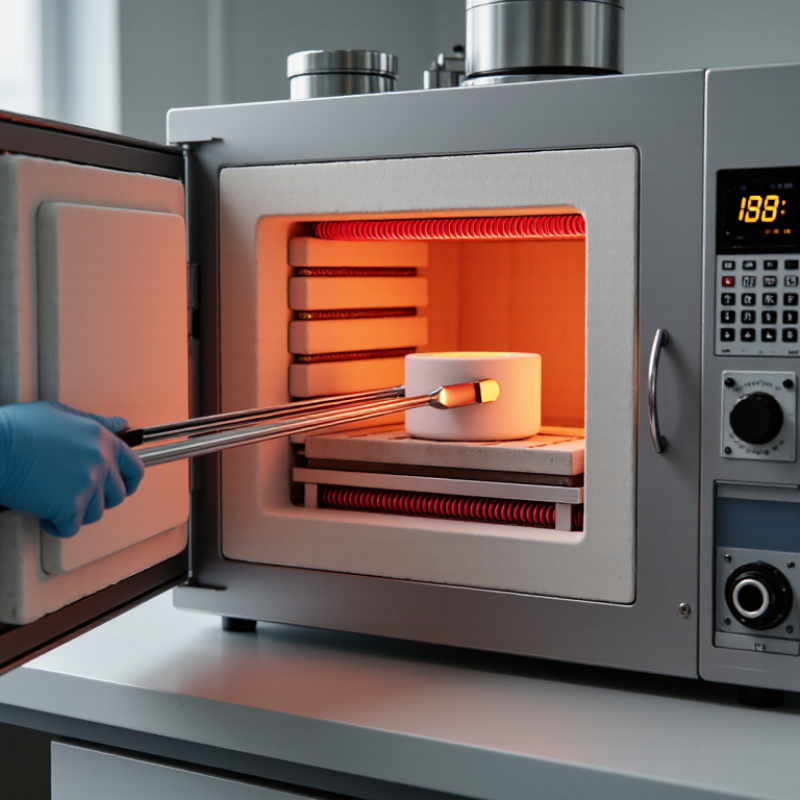
A Muffle Furnace is an insulated heating chamber designed to expose samples to controlled high temperatures while keeping them apart from direct flame and many contaminants. In a laboratory, it may be used for ashing, heat treatment, ceramic firing, or material testing. A technician places a sample in a ceramic or metal vessel, sets the temperature, and allows the chamber to heat according to the required procedure. The red-orange glow behind the door is striking, but it is not a reliable measure of the sample’s actual temperature.
Inside, electrical heating elements warm the chamber, while insulation helps retain heat. A temperature controller reads signals from a sensor, often a thermocouple, and adjusts power to approach the setpoint. Heating uniformity, ramp rate, sample placement, and cooling time can all affect results. Small details matter. A crucible near the chamber wall may experience different conditions from one placed near the center.
This guide explains what a Muffle Furnace is, how its main components work, and what users should consider when selecting and operating one. No source article or named expert was provided, so I cannot responsibly attribute a quotation to an industry specialist. That matters: a convincing-sounding quote is not evidence. Always follow the manufacturer’s instructions, use suitable protective equipment, and confirm that the furnace’s temperature range and chamber size match the intended application.
What a Muffle Furnace Is and What It Is Used For
A muffle furnace is a heated chamber that surrounds a sample with insulating material. The sample sits inside a separate chamber, away from direct contact with fuel or heating elements. This arrangement helps limit contamination and provides controlled, repeatable heating. Temperature limits and heating rates vary, so operators should follow the equipment’s specifications.
Laboratories use muffle furnaces to ash materials, heat-treat small components, and measure residue in samples. For example, a technician may weigh a sample in a ceramic crucible, heat it for a set period, then cool and weigh it again. The change in mass can help estimate the sample’s combustible content. Muffle furnaces are also used in ceramics and materials testing to study how substances respond to heat.
The furnace alone cannot guarantee accurate results. Sample size, crucible choice, temperature uniformity, and cooling procedure all matter. A hot exterior can remain dangerous even after the display shows a lower temperature. That matters. A damp crucible or rushed weighing can undermine careful work. Use suitable protective equipment, allow safe cooling, and record the conditions for each run. A little patience helps.
Main Components and Their Functions
A muffle furnace uses a heated, insulated chamber to bring samples to controlled temperatures. Its main parts are the chamber, heating elements, insulation, temperature sensor, controller, and door. The chamber holds a crucible or sample tray. Heating elements, often arranged around the chamber walls, provide heat without exposing samples directly to combustion gases. Insulation limits heat loss and helps maintain the selected temperature. A thermocouple measures chamber temperature, while the controller adjusts power in response. The door closes the chamber, but it is not always gas-tight. This distinction matters.
The sensor and controller work as a pair, though their reading may not match the sample’s exact temperature. Load size, placement, and repeated door opening can affect heating uniformity. For example, a tray packed near the walls may heat differently from one placed centrally with space around it.
A furnace display is useful, but it cannot prove every sample reached the same temperature. That point is easy to miss. For critical work, verify the temperature profile using suitable calibration or monitoring procedures.
Tips: Space samples apart and use compatible crucibles. Let the chamber cool as instructed before unloading, and wear suitable heat protection. Avoid guessing from color alone.
How Heat Is Generated and Contained
A muffle furnace heats a sample inside a chamber separated from direct contact with the heating elements. In many laboratory models, electric resistance elements convert current into heat. The chamber walls absorb that heat and radiate it toward the load. Simple, but not instantaneous.
The chamber is lined with refractory material or ceramic insulation, which slows heat loss through the outer casing. A door closes the opening, while insulation around its edges helps limit escaping heat. Some models include a vent to release gases from heated materials; it should not replace suitable ventilation. A temperature sensor, often a thermocouple, measures conditions near the chamber and sends readings to a controller. The controller adjusts power to keep the temperature near its set point.
The sample may still warm unevenly. Its size, placement, and the amount of material inside can change how heat reaches it. A small crucible near a wall may heat differently from a larger load in the center. That matters.
Even with a stable display, the sample temperature can lag behind the sensor, especially during rapid heating. For demanding work, users verify the heating profile with suitable calibration and consistent loading. The design is controlled, not magically uniform.
How a Muffle Furnace Operates Step by Step
A muffle furnace heats a sample inside an insulated chamber, separating it from direct flame and many external contaminants. The exact sequence varies by model and material. Still, the operating logic is straightforward.
A technician places a dry sample in a suitable crucible, then sets it on the chamber shelf with space around it. The door closes, and the controller follows a programmed temperature ramp. Inside, electric elements heat the chamber; a sensor measures temperature and signals the controller to adjust power. Heat then reaches the sample mainly through radiation and convection. Slowly does it. A controlled ramp can reduce thermal shock, though dense or uneven loads may still heat differently than expected.
At the target temperature, the furnace holds for the specified time. The sample is then left to cool, or removed only with suitable tools and protective equipment. Avoid opening a hot chamber casually; sudden air entry can disturb conditions and expose users to burns. The U.S. Department of Energy’s 2018 Manufacturing Energy and Carbon Footprints report identifies process heating as roughly 36% of manufacturing energy use. That figure covers manufacturing broadly, not muffle furnaces alone, but it underscores why temperature control and careful loading matter.
Common Furnace Types and Applications
Muffle furnaces are used when samples need controlled heating with limited exposure to flames and combustion gases. In a typical electric model, resistance elements heat an insulated chamber. The operator sets a target temperature and dwell time, then places samples in ceramic crucibles or trays. Small details matter. A crowded chamber can heat unevenly.
Common types include benchtop box furnaces for routine laboratory work, tube furnaces for controlled-atmosphere experiments, and ash furnaces for determining residue in materials. High-temperature models support ceramic firing, sintering, and heat treatment of small metal parts. Laboratories also use them for gravimetric analysis, where a sample is heated and weighed to measure mass change. Choose by working temperature, chamber size, atmosphere needs, and temperature uniformity—not maximum temperature alone.
The U.S. Department of Energy’s Improving Process Heating System Performance sourcebook estimates process heating uses about 2.3 quadrillion Btu annually, or roughly 17% of U.S. manufacturing energy. That figure covers many industrial heating processes, not muffle furnaces alone, but it shows why efficient operation matters. Keep doors closed during heating, avoid overloading, and verify temperature with a calibrated instrument. The display is not the whole story. Door opening and load placement can still shift actual sample temperatures, so validation remains necessary.
 Skip to content