Skip to contentChina Top 10 Rs422 To Ethernet Converters for Global Buyers? This guide examines reliable Rs422 To Ethernet solutions for factories, laboratories, energy sites, and remote equipment. These converters connect legacy RS422 devices with modern Ethernet networks. The right model can reduce rewiring, preserve existing instruments, and simplify remote maintenance.
John Rinaldi, a respected industrial networking consultant, once stated, “The network is the control system.” That observation matters here. A converter is not merely a small box between two cables. It influences data timing, device availability, troubleshooting, and plant-wide stability. Buyers should examine baud-rate support, full-duplex operation, surge protection, electrical isolation, protocol transparency, and management software. DIN-rail mounting also matters inside crowded control cabinets.
Look closely at the details. Can the unit sustain communication across a 100-meter Ethernet segment? Does its metal housing tolerate cabinet heat and vibration? Can engineers reach the web interface without interrupting production? These questions separate practical equipment from attractive specifications. Yet no ranking is perfect. A low-cost converter may perform well in a clean laboratory, then struggle near motors and variable-frequency drives. Some datasheets also describe compatibility too broadly. That deserves caution.
This article compares ten China-based options for international buyers. It considers documented features, industrial construction, installation effort, support responsiveness, and realistic application fit. Independent testing remains important. Product revisions happen. Regional certifications and network requirements also differ. Treat this list as a careful starting point, not a final purchasing decision.
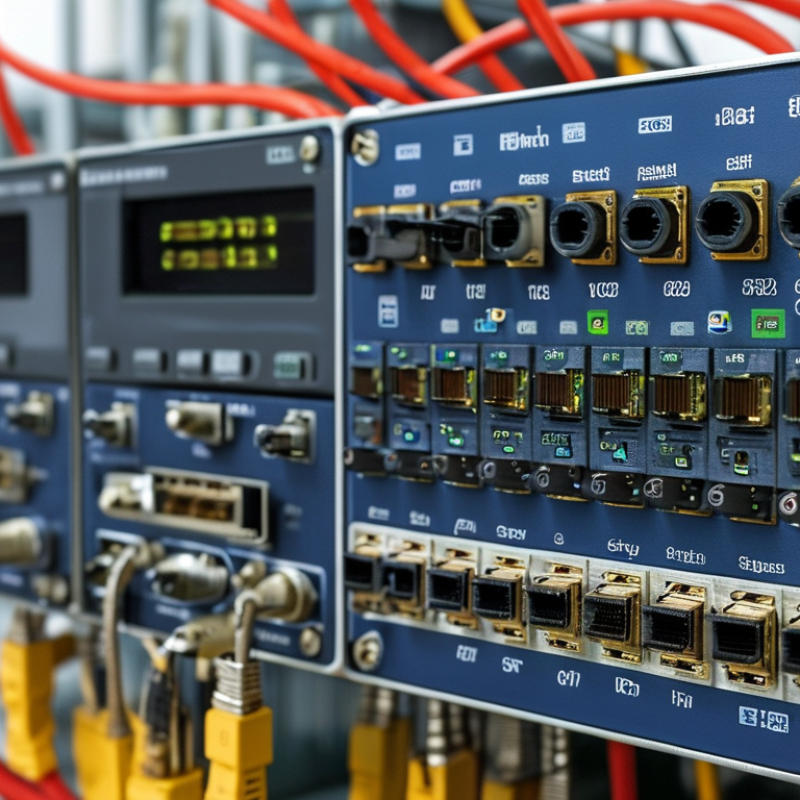
Rs422 To Ethernet Converters connect legacy differential serial equipment with modern IP networks. RS422 uses balanced signaling, helping data travel reliably across noisy factory floors. Ethernet then carries that data through switches, fiber links, or secure remote-access systems. The converter does not automatically fix poor wiring. Grounding, termination, baud rate, and pin mapping still matter.
MarketsandMarkets reported that the industrial Ethernet market could grow from 28.7 billion dollars in 2023 to 43.7 billion dollars by 2028. Grand View Research also estimated the industrial automation market would reach 355.9 billion dollars by 2030. These figures explain why RS422 gateways remain useful during gradual equipment upgrades. A water-treatment panel, laboratory instrument, or warehouse controller may still produce dependable serial data after many years.
Global buyers should compare isolation voltage, operating temperature, enclosure rating, and diagnostic functions. Surge protection is important near motors and long outdoor cable runs. In practice, transparent TCP tunneling is simple, but it may not satisfy systems requiring protocol conversion. That distinction is often missed. Testing under network congestion also matters, although many product evaluations overlook it. A careful shortlist should include latency measurements, configuration recovery, firmware support, and regional compliance documentation.
Industrial Ethernet now carries 71% of new industrial network connections, according to HMS Networks’ 2024 market study. That shift makes converter selection more demanding. Check whether the RS422 interface supports two-wire or four-wire communication, full-duplex operation, and adjustable baud rates. TIA/EIA-422-B supports high-speed signaling, but real performance depends on cable length and electrical noise. A practical model should offer stable communication across long shielded cables, not only laboratory distances.
Look closely at Ethernet capability. Fast Ethernet may suit basic polling, while Gigabit Ethernet provides more headroom for multiple channels and diagnostic traffic. Verify TCP, UDP, Modbus TCP, and virtual COM support before comparing prices. Buffer size matters during burst communication. So does latency. Ask for measured values, not vague terms such as “high speed.” Galvanic isolation, surge protection, watchdog recovery, and automatic RS422 direction control reduce field failures. These details often separate a reliable converter from a cheap replacement.
Power input is another useful filter. Industrial models commonly accept wide DC ranges, such as 9–36 VDC, with reverse-polarity protection. Check operating temperature, DIN-rail mounting, IP rating, and certification documents for the destination market. IEC 61000-4-5 test evidence is valuable for surge resistance. However, test reports can be incomplete. I would request firmware revision records, packet-loss data, and a sample unit for a 72-hour trial. One overlooked issue is grounding. Even an isolated interface can behave poorly when installation practices are careless.
China-made RS422 to Ethernet converters are widely used in factory automation, energy monitoring, transport equipment, and remote instrument networks. They connect differential RS422 devices with standard Ethernet infrastructure, allowing data to travel through existing LAN or fiber systems. For global buyers, practical selection matters more than a low purchase price.
Look for stable baud-rate support, transparent transmission, adjustable TCP or UDP modes, and reliable RS422 terminal blocks. Galvanic isolation is valuable in factories where motors and long cables create electrical noise. Surge protection also deserves attention. Small details matter. A metal enclosure, wide temperature range, and clear status indicators can reduce service calls in difficult locations.
In supplier evaluations, request wiring diagrams, protocol manuals, sample test reports, and firmware update procedures. Ask how each unit handles reconnects after a network failure. A converter may work well in a quiet office but fail beside welding equipment. Testing with your actual cable length is wiser than trusting a general specification. China offers flexible customization and competitive production, but documentation quality can vary. I have seen attractive units lose value because configuration software was unclear or technical replies arrived slowly. Confirm export packaging, serial testing, warranty terms, and support response times before placing a larger order.
For global buyers, compatibility starts with the serial interface, not the product ranking. Confirm RS-422 four-wire operation, baud rate, parity, stop bits, flow control, and termination settings. A converter should support IEEE 802.3 Ethernet standards and stable TCP or UDP communication. Test long cable runs with real sensors, not only laboratory loopbacks. Isolation matters near motors, inverters, and welding equipment. Check surge protection, operating temperature, connector quality, and documented MTBF. MTBF is useful, but it is not a field-life guarantee.
Security deserves equal attention. Verizon’s 2024 Data Breach Investigations Report found that human involvement appeared in 68% of breaches. Disable Telnet and unused ports. Prefer HTTPS, SSH, role-based access, firmware signing, and configurable access-control lists. VLAN support helps separate control devices from office traffic. NIST SP 800-82 Rev. 3 also emphasizes segmentation, least privilege, and controlled remote access for industrial systems. These features may sound excessive for a small converter. They are not.
When evaluating China-made RS422 to Ethernet converters, global buyers should check the complete installation environment, not only the unit price. RS422 uses balanced signals, but cable quality, grounding, and termination still affect stability. Request a sample before placing a large order. Test it with your actual PLC, meter, or industrial controller. Confirm baud rates, data format, isolation, operating temperature, and Ethernet modes. A clear datasheet matters.
Installation details often decide long-term performance. Use shielded twisted-pair cable and keep signal wiring away from motors or high-voltage lines. Check whether the converter supports DIN-rail mounting, surge protection, and stable power input. Label each terminal before wiring. Small mistakes happen. Configure static IP addresses and record them for future maintenance. I have seen projects delayed because the supplied manual ignored local network settings. That weakness should be discussed with the supplier before shipment.
Support is equally important for customers outside China. Ask about firmware updates, replacement procedures, response times, and remote troubleshooting. Confirm warranty coverage, export packaging, spare units, and documentation in clear English. A supplier should explain compatibility limits instead of promising universal performance. Request wiring diagrams and test reports when possible. Certification requirements vary by destination, so buyers must verify them independently. Even a reliable converter can fail when temperature, grounding, or network conditions differ from laboratory tests.