Skip to content

How to Master Plastic Mold Design for Global Sourcing?

Mastering plastic mold design is essential in today's global sourcing landscape. The plastic mold industry is projected to reach $30 billion by 2025, driven by advancements in technology and increasing demand for innovative products. Expert Dr. Emily Chen states, "Effective mold design can significantly reduce production costs and improve time-to-market." This highlights the need for businesses to focus on refining their design processes.

However, many companies still face challenges in plastic mold design. A lack of standardized practices leads to inconsistencies and errors. Developing a comprehensive approach can address these issues. It's vital to embrace continuous learning and adapt to evolving technologies. Additionally, keeping abreast of industry trends can help maintain competitiveness.

Furthermore, there is room for improvement in collaboration between design engineers and sourcing teams. Communication barriers can result in misunderstandings, affecting the final product. By fostering a culture of open dialogue, organizations can enhance their mold design capabilities and achieve better outcomes. Mastering plastic mold design is not a one-time effort; it requires ongoing commitment and adjustment.
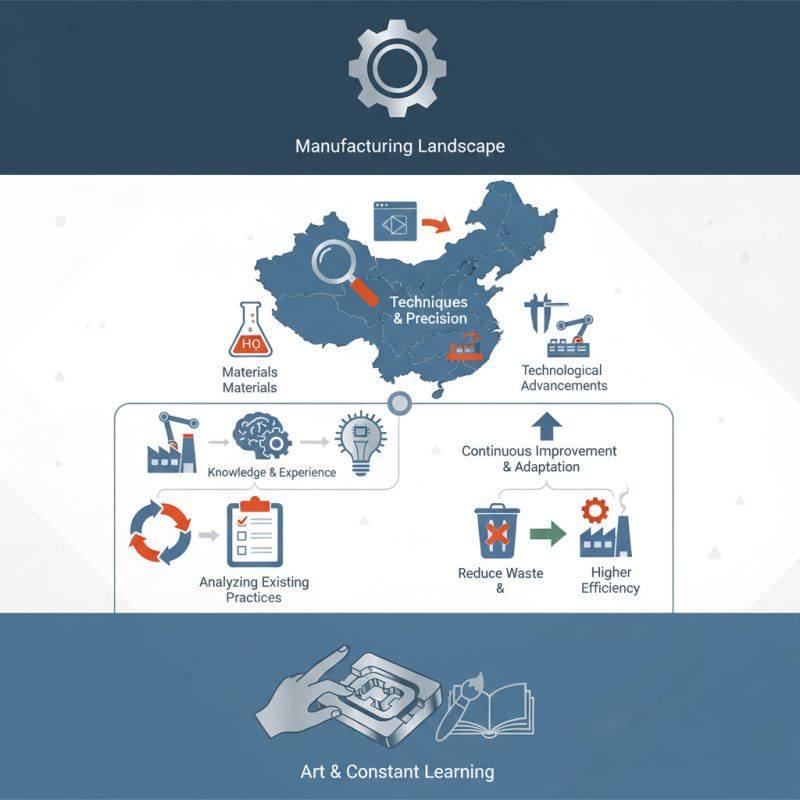
How to Master Plastic Mold Design for Global Sourcing?

Understanding the Basics of Plastic Mold Design for Global Sourcing

Understanding the basics of plastic mold design is crucial for effective global sourcing. Mold design serves as the cornerstone of the manufacturing process, influencing product functionality and production efficiency. A well-designed mold can significantly reduce cycle times, which lowers costs. It’s essential to grasp key concepts such as mold flow, parting lines, and cooling mechanisms. These factors determine how well the plastic settles and takes shape within the mold.

When starting in plastic mold design, common challenges arise. For instance, designers often overlook the importance of material selection. Each plastic type behaves differently when molded. It's vital to consider shrinkage rates, tensile strength, and thermal properties. Mistakes in material choice lead to production issues and increased costs. Additionally, inconsistent communication with suppliers can complicate sourcing efforts. Understanding cultural nuances and technical expectations in international relationships is necessary for smoother collaboration.

Testing and iteration are fundamental throughout the design process. Prototypes allow designers to identify flaws before full-scale production. However, rushing this phase often results in costly errors. The balance between speed and thoroughness is delicate. A mindset focused on continuous improvement can help mitigate risks. Ultimately, investing time in mastering mold design lays a solid foundation for successful global sourcing.

Identifying Key Materials and Technologies in Plastic Mold Designing

In today's competitive landscape, understanding key materials in plastic mold design is crucial. According to a report by MarketsandMarkets, the global plastic injection molding market is projected to reach $420 billion by 2025. This growth highlights the importance of selecting the right materials for product longevity and performance.

Common materials like ABS, polycarbonate, and nylon provide versatility. Each material has unique properties that affect production efficiency. For instance, ABS is favored for its impact resistance, while polycarbonate excels in transparency and strength. However, balancing cost and performance can be challenging. Often, designers face a trade-off between material quality and budget constraints.

Technologies in mold design are evolving. Additive manufacturing and advanced simulation software enable precise modeling. Yet, reliance on these technologies can sometimes lead to oversights. Designers might overlook traditional methods that still hold value. Integrating these approaches can result in a more effective design process. Additionally, awareness of sustainability trends has become critical. Biodegradable materials are gaining traction, pushing designers to rethink their choices.

Best Practices for Effective Communication with Global Suppliers

Effective communication with global suppliers is crucial in plastic mold design. Clear dialogues can prevent misunderstandings and delays. Start by defining your project requirements in detail. Use simple, straightforward language. Visual aids like diagrams can help bridge language gaps. Ensure that both parties understand the scope to avoid costly revisions later.

Regular check-ins can enhance collaboration. Set a timeline for updates and feedback. This creates a rhythm for your communication. Be open about challenges. Acknowledging limitations helps build trust. Encourage suppliers to share their insights. Their expertise can offer valuable perspectives. It's vital to create an environment where both sides feel comfortable sharing concerns.

Misalignment on expectations often leads to problems. Take time to document discussions and decisions. Written records can clarify misunderstandings. Ask for feedback on your communication style as well. This isn’t just about conveying information. It’s about understanding and being understood. Adapting communication strategies can improve the relationship over time, leading to better outcomes in plastic mold design.

How to Master Plastic Mold Design for Global Sourcing? - Best Practices for Effective Communication with Global Suppliers

Dimension Description Best Practice
Design Specifications Clear and detailed design documentation is crucial. Use 3D CAD models and detailed drawings.
Communication Channels Identifying effective communication methods. Utilize email, video calls, and project management tools.
Feedback Mechanism Implementing ways to give and receive feedback. Establish regular check-ins for updates and concerns.
Cultural Sensitivity Understanding cultural differences in communication. Educate teams on cultural norms and practices.
Timeline Management Managing project timelines with international partners. Set realistic deadlines and milestones.

Evaluating Quality Control and Testing Methods in Mold Production

Quality control and testing methods are essential in plastic mold production. Each stage in the manufacturing process demands careful oversight. Without proper inspection, defects can lead to significant financial losses. Manufacturers should adopt a multi-tiered approach to quality assurance.

The initial step involves material verification. Ensuring that raw materials meet specifications can prevent issues later. However, this step is often overlooked. Many assume materials are fine without thorough checks. This can result in costly rework or product failure.

Testing molds during production is equally crucial. Techniques like pressure testing and dimensional inspection play vital roles. However, inconsistencies in procedures can arise. Some teams may not adhere to established guidelines. Regular audits and training can mitigate these challenges. Investing time in quality control pays off, fostering long-term reliability in mold design.

Strategies for Cost Management in Plastic Mold Sourcing and Production

Effective cost management is crucial in plastic mold sourcing and production. According to a recent report by the National Association of Manufacturers, companies can save up to 30% on production costs by optimizing their mold designs. This involves selecting the right materials and techniques early in the design process. Innovations like 3D printing for prototyping can significantly cut lead times and costs, allowing for rapid iterations.

Transparency in supply chain management is another key strategy. A study by Deloitte highlights that companies with clear communication with suppliers can reduce costs by 15% and enhance quality control. Regular audits and performance assessments can identify inefficiencies. Staying informed about global trends in resin prices and labor costs can also prevent unexpected budget overruns.

Collaboration with partners can lead to innovative solutions, but it is not without challenges. Some organizations struggle to balance cost with quality, risking lower standards. It’s important to establish metrics to evaluate supplier performance. This ensures that the sourcing strategy remains both competitive and sustainable in the long run. Exploring new technologies while managing traditional pressures requires constant reflection and adjustment.

Scroll To Top