Skip to content

Why Is Plastic Mold Design Important for Global Buyers?

For global buyers, plastic mold design is more than a technical drawing. It shapes product quality, production speed, maintenance costs, and supplier reliability. A mold may look perfect on a screen, yet fail after repeated cycles. Uneven wall thickness, weak cooling channels, or a poorly placed gate can create warping, sink marks, and expensive delays.

John P. Beaumont, an injection-molding engineer and author, has stated, “The mold is the heart of the injection molding process.” That idea remains practical on a factory floor. A well-designed mold fills the cavity evenly, releases parts cleanly, and supports stable production across different machines. Buyers should examine steel selection, cooling performance, venting, ejection, tolerance control, and expected mold life. These details matter when a tool must produce thousands of identical parts in another country.

However, no design is perfect. Assumptions can fail. A resin may shrink differently than expected, or a minor draft-angle issue may damage parts during ejection. Experienced buyers leave room for mold trials, design revisions, and honest supplier feedback. They also request clear inspection records, sample parts, and maintenance plans. That evidence is more useful than attractive renderings alone.

Plastic mold design therefore deserves attention before price negotiations begin. The cheapest mold can become the costliest choice. A careful design protects consistency, delivery schedules, and long-term production confidence.
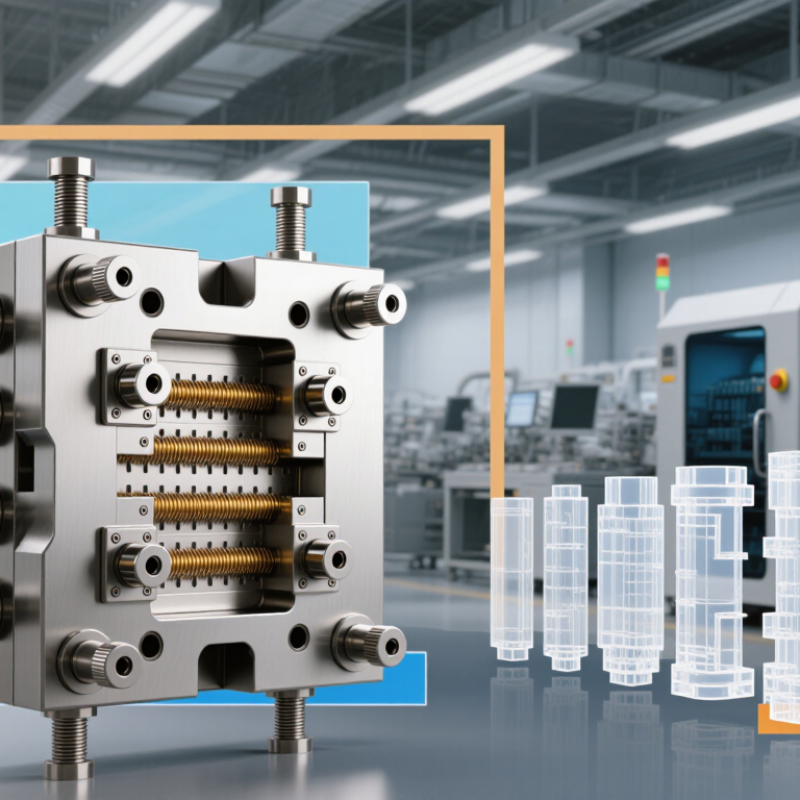
Why Is Plastic Mold Design Important for Global Buyers?

What Plastic Mold Design Includes and Why It Matters

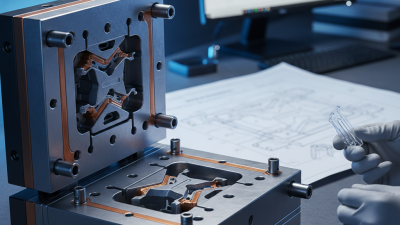
Plastic mold design is more than a shaped cavity. It is the plan behind stable production. For global buyers, it affects part quality, tooling cost, delivery risk, and future maintenance. A complete design begins with product analysis. Engineers review wall thickness, draft angles, undercuts, shrinkage, and tolerance requirements. They then select the mold structure, steel grade, gate position, cooling channels, and ejection method. Small details matter. A slight mismatch can create flash, sink marks, or difficult demolding.

Cooling design deserves close attention. Uneven water channels can leave one side of a part hotter than the other. Warping may follow. Gate location also influences weld lines, filling pressure, and surface appearance. Ejection pins need balanced force. Otherwise, thin ribs may bend or show marks. In practical mold reviews, a polished CAD model can still hide service problems. A technician may struggle to remove a damaged insert. That mistake is expensive. The design should consider real workshop access, not only visual accuracy.

A reliable design package should include 2D drawings, 3D data, material specifications, tolerance notes, and trial requirements. Buyers can use these documents to compare quotations and confirm responsibilities. Mold-flow analysis can reveal filling concerns before steel is cut, although it is not a perfect prediction. Actual trials still matter. Design teams should record changes after sampling and explain why they were made. Maintenance access matters too. A mold that runs well but takes hours to clean may not be a practical long-term choice.

How Mold Design Influences Product Quality and Production Efficiency

Why Is Plastic Mold Design Important for Global Buyers?

How Mold Design Influences Product Quality and Production Efficiency

Plastic mold design directly shapes product consistency, cycle time, and manufacturing cost. A 0.02-millimeter mismatch can create a visible flash line on a finished housing. Uneven cooling may cause warpage around ribs, clips, or thin walls. Proper gate placement controls filling balance and reduces weld marks. Well-designed cooling channels also remove heat faster, shortening each molding cycle.

The global scale makes these details more important. Plastics Europe reported approximately 400.3 million tonnes of plastics production worldwide in 2022. The OECD Global Plastics Outlook found that only 9% of plastic waste was recycled in 2019. Better mold design can reduce rejected parts, excess runners, and unnecessary material use. That supports both production efficiency and more responsible resource management.

In practical design reviews, engineers should check shrinkage data, resin flow, ejection force, and tool maintenance access. A balanced runner system often matters more than an attractive mold layout. However, mold design is not a magic fix. Machine settings, material moisture, and operator control can still create defects. Experienced buyers should request mold-flow analysis, sample inspection records, and dimensional reports. Even then, perfection is unrealistic. A small trial failure may reveal a weak assumption before mass production begins.

The Role of Mold Design in Controlling Costs and Material Waste

Why Is Plastic Mold Design Important for Global Buyers?

The Role of Mold Design in Controlling Costs and Material Waste

For global buyers, mold design strongly influences production cost, quality, and material waste. A well-planned mold can reduce scrap before production begins. Engineers examine wall thickness, resin flow, shrinkage, cooling, and part ejection. These details determine whether each cycle produces a stable part.

The savings can appear in small places. Balanced runners may reduce excess plastic around the gates. Proper cooling channels can shorten cycle times without damaging the part. A practical design also supports easier maintenance, which lowers unexpected downtime. Less scrap matters. In production reviews, I have seen minor design changes save kilograms of resin each week. Those savings become significant across multiple cavities and long production schedules.

However, mold design is not only about choosing the cheapest tooling option. A thinner wall may reduce material use, but it can create warpage or weak sections. No simulation is perfect. Real resin behavior, machine settings, and operator adjustments can differ from early calculations. That limitation deserves attention. Reliable buyers should request flow analysis, tolerance checks, cooling studies, and trial samples before approving mass production. Clear technical records also help teams compare quotations fairly and prevent hidden changes later. A durable mold may cost more initially, yet its stable output, lower rejection rate, and simpler servicing can protect the total investment.

Why Design Compatibility Supports Global Manufacturing Standards

Why Is Plastic Mold Design Important for Global Buyers?

Design compatibility is the quiet foundation of global manufacturing. A mold must match the injection machine, resin, cooling system, and quality controls. ISO 20457 defines key requirements for plastic moulding tools, including interfaces, dimensions, and testing. Following such principles reduces adaptation work when production moves between factories. It also helps buyers compare suppliers using measurable technical criteria.

20457

Material choices need equal discipline. The OECD’s Global Plastics Outlook reported 353 million tonnes of plastic waste in 2019, while only 9% was recycled. This finding increases pressure to design molds for recycled or blended materials. These materials may vary in moisture, viscosity, and shrinkage. A compatible design therefore needs adjustable gates, balanced cooling, and realistic tolerance planning. Small details matter.

A practical review often finds hidden assumptions. A drawing may fit one machine but fail on another. A cooling channel can look efficient yet leave hot spots near a thick rib. That is inconvenient. Still, these weaknesses should be tested early.

Mold-flow analysis, sample validation, and documented acceptance criteria provide stronger evidence than attractive CAD images.

UNCTAD reports that over 80% of world trade by volume moves by sea, so replacement inserts and maintenance plans must also travel reliably.

Global buyers should request standardized drawings, material records, inspection data, and clear revision control. Perfect compatibility is difficult. Controlled compatibility is achievable.

How Buyers Can Evaluate Plastic Mold Design Before Ordering

Plastic mold design affects more than appearance. It controls cycle time, defect risk, maintenance, and part consistency. Global buyers should evaluate the design before approving any purchase order.

Ask for a complete 3D mold model and a 2D drawing. Check the parting line, draft angles, wall thickness, gate position, ejector marks, and cooling channels. A qualified supplier should explain shrinkage assumptions and material selection. Mold-flow analysis is useful, but it is not magic. Real production conditions can still expose weak cooling or uneven filling. ISO 20457 provides useful guidance for injection-molded plastic parts and tolerances. Buyers should compare the design with that framework.

The OECD Global Plastics Outlook reported that 353 million tonnes of plastic waste were generated in 2019, while only 9% was recycled.

UNEP’s 2023 report also identified better product design as a major part of reducing plastic pollution. Therefore, ask whether the mold supports recycled resin, easy separation, and reasonable material use. These questions may increase the initial cost. They can reduce waste later.

Tips: Request a mold-flow report, steel certificate, cooling layout, and trial-shot measurements. Inspect a sample part with calipers, not only photographs. Confirm the supplier’s actual tolerance data. A polished drawing can still hide a poor ejection plan. I have seen buyers overlook small draft-angle changes, then face sticking parts and delayed production. Recheck every critical feature before manufacturing.

Scroll To Top